How Often Implants Need Replacement in Korea
🦷 How Often Implants Need Replacement in Korea
Dental implants are designed to be a long-lasting solution for missing teeth, often outperforming other restorative options. In Korea, with advanced surgical techniques, high-quality materials, and strict maintenance protocols, many patients enjoy implants that last decades. However, the need for replacement depends on several factors including oral hygiene, implant location, overall health, and lifestyle habits.
✅
What “Longevity” Means for Implants
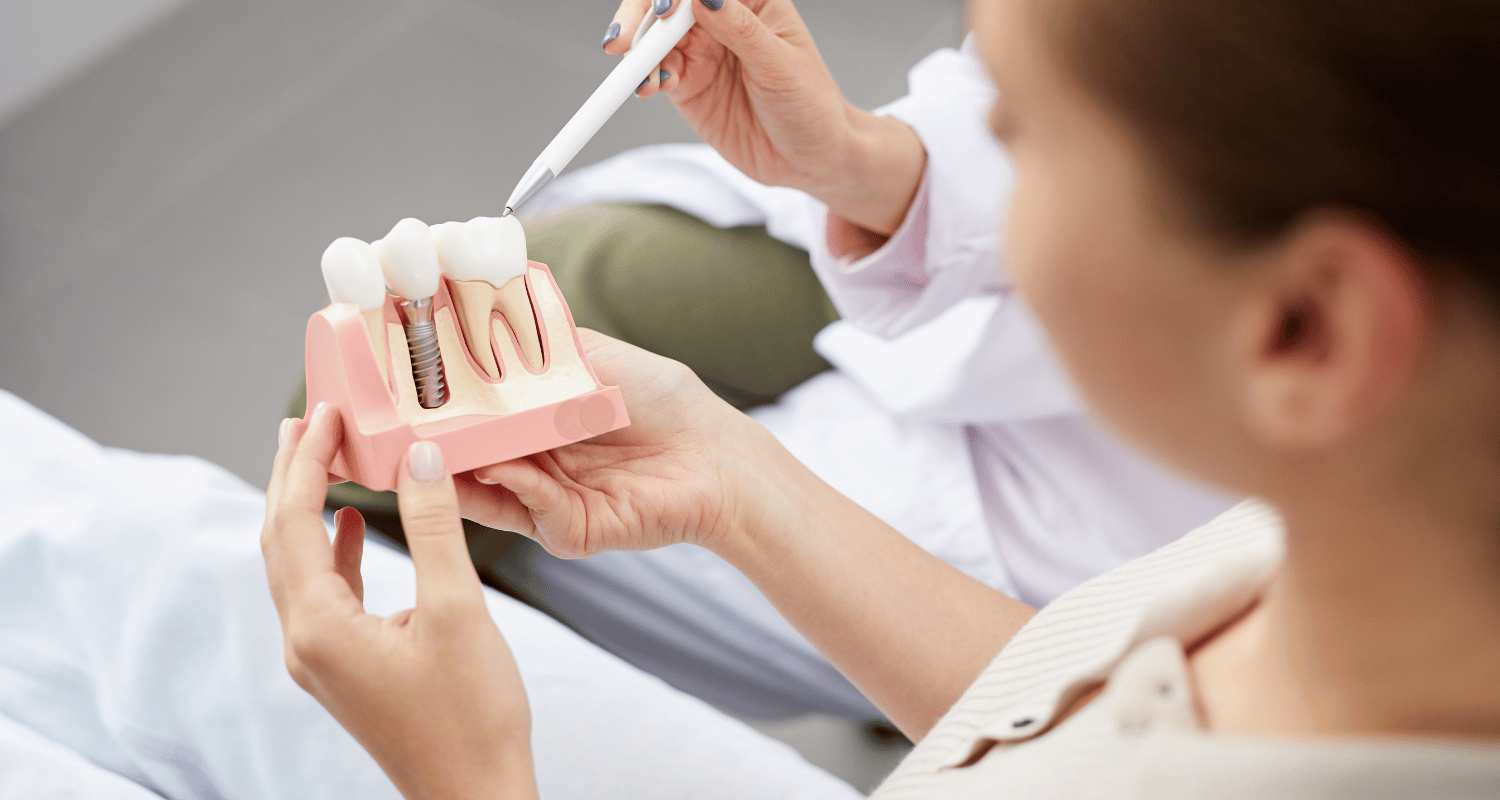
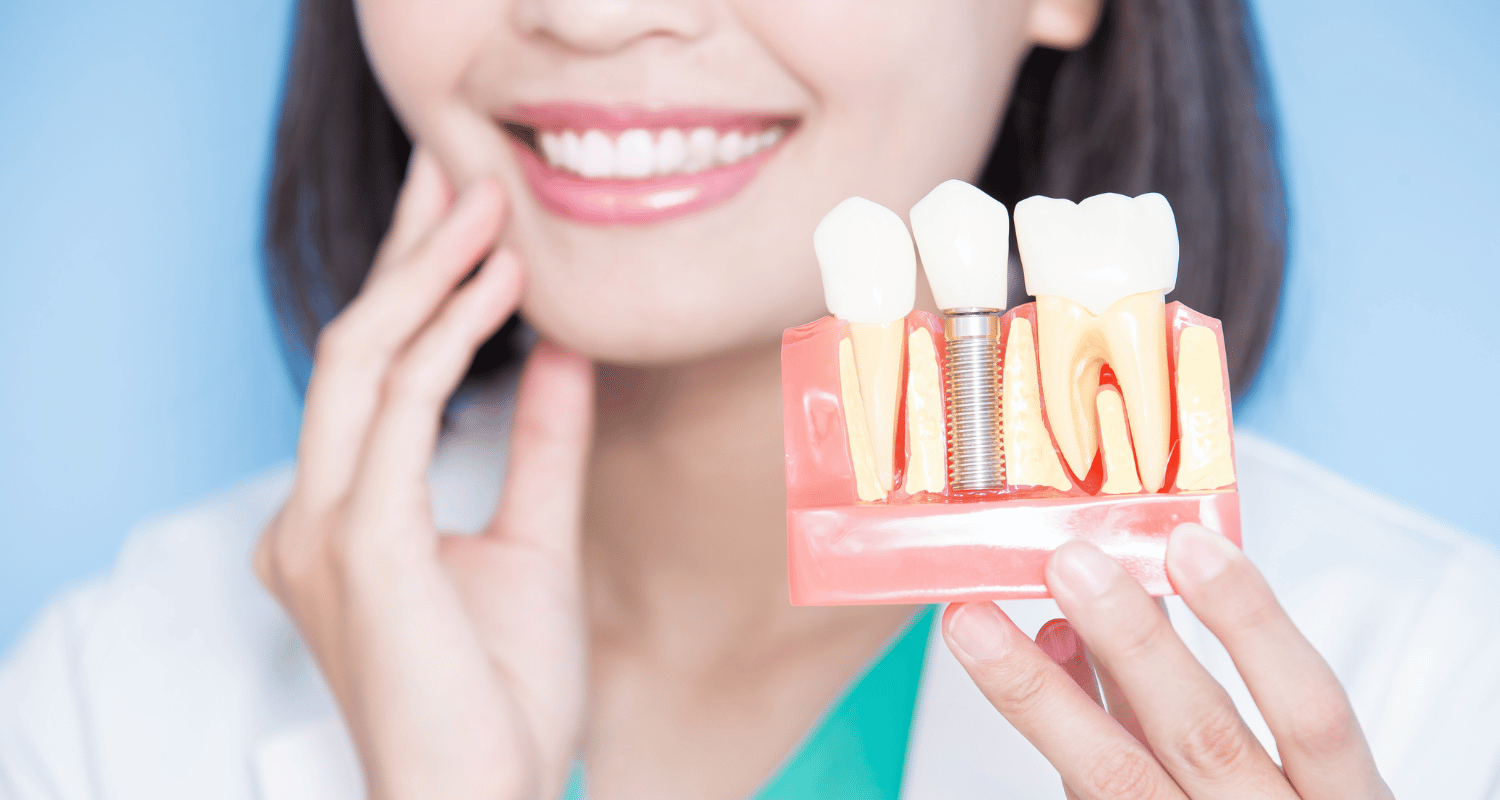
An implant itself — including the titanium or zirconia fixture fused to bone —
is intended to last a lifetime. However, the
restorative crown attached to the implant may wear over time and could need replacement due to normal use.
🧠 Typical Life Expectancy of Implant Components
- Implant Fixture (Body): Often designed to last 20+ years or a lifetime with good care
- Implant Crown/Prosthesis: May need replacement every 10–15 years due to wear, fracture, or aesthetic preferences
- Abutment: Can sometimes need replacement if damaged or if design changes are needed for new crowns
💰
Why Replacement Timing Varies
Several factors influence when components need replacement:
- Oral hygiene: Consistent cleaning and maintenance reduce complications
- Bite forces: Heavy biting or grinding may cause faster wear
- Smoking or systemic conditions: Can affect tissue health and material longevity
- Material choices: High-quality zirconia or advanced surface materials can extend crown life
⏱
Signs You Might Need a Replacement
Common indications that an implant component may need attention include:
- Visible wear, chips, or cracks on the crown
- Changes in bite feel or chewing comfort
- Gum recession exposing abutment margins
- Persistent discomfort or unusual mobility
If any of these occur, see your dentist promptly to assess whether repair or replacement is needed.
🌍
Routine Checkups and Maintenance in Korea
Korean dentists emphasize regular follow-up visits — typically every
6–12 months — to monitor implant health, hygiene status, and prosthetic wear. Early detection of wear or problems often allows simpler, less costly adjustments.
🏥
Replacement Procedures in Korea
When replacement is needed, Korean clinics generally follow a structured approach:
- Assess the condition of the implant and prosthetic
- Use digital scans and imaging to plan new components
- Fabricate and place new crowns/abutments with precision
The implant fixture is only removed if there is significant failure or infection.
🩺
Long-Term Success Factors
To minimize the need for early replacement:
- Maintain excellent daily oral hygiene
- Avoid smoking and excessive alcohol
- Attend regular professional cleanings
- Use night guards if you have bruxism (tooth grinding)
✈️
For International Patients in Korea
If you received implants in Korea and now live abroad, many Korean clinics offer remote follow-up planning and communication. Photos, scans, or X-rays sent electronically can help local or Korean dentists coordinate evaluation and recommend timing for replacement.
📩 What Patients Should Ask at Checkups
- “Is my crown showing wear or damage?”
- “Should my abutment be evaluated for replacement?”
- “Is my implant fixture stable and healthy?”
Clear answers help you plan costs and timelines for future maintenance or replacements.