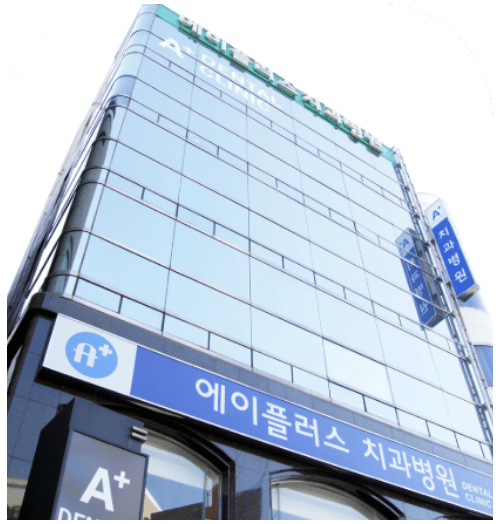
A Plus Dental Clinic | Over 25 Years of Implant Experience
Ridge Augmentation in Seoul
Ridge augmentation is an advanced bone reconstruction procedure performed to restore jawbone width and/or height that has been lost due to tooth extraction, periodontal disease, trauma, or long-term tooth absence.
- 25+ years of implant experience
- English-speaking consultations
- 3D CT-based planning
Quick answer
Ridge augmentation rebuilds the width or height of the jawbone ridge after tooth loss, gum disease or trauma, so implants can be placed in a stable, correct position. At A Plus Dental Clinic in Seoul, the type of augmentation is chosen from a 3D CT scan of the bone.
- Purpose
- Restore ridge width and/or height
- Common causes
- Extraction, gum disease, long-term tooth loss
- Techniques
- Bone graft with membrane (GBR), block grafts
- Healing
- Several months before implants (case-dependent)
- Planning
- 3D CT scan
Overview of Ridge Augmentation
Ridge augmentation is an advanced bone reconstruction procedure performed to restore jawbone width and/or height that has been lost due to tooth extraction, periodontal disease, trauma, or long-term tooth absence. Rebuilding the alveolar ridge is often essential before placing dental implants to ensure stability, proper positioning, and long-term success.
At A Plus Dental Clinic, ridge augmentation is performed by an experienced implant team with over 25 years of clinical experience, following structured protocols aligned with international implant dentistry standards.
Over 25 Years of Implant and Bone Reconstruction Experience
Ridge augmentation requires precise diagnosis, careful material selection, and meticulous surgical technique. With more than two decades of experience, the clinical team at A Plus Dental Clinic has managed a wide range of ridge defects—from localized horizontal deficiencies to more complex vertical bone loss.
This depth of experience supports predictable outcomes, reduced complication risk, and a stable foundation for long-term implant restoration.
Why Ridge Augmentation Is Necessary
After tooth loss, the jawbone gradually resorbs without stimulation. In many cases, the remaining ridge becomes too narrow or too low to support implants in an ideal position.
Ridge augmentation may be recommended to:
- Restore sufficient bone width for implant placement
- Correct vertical bone deficiencies
- Improve implant positioning and load distribution
- Enhance long-term implant survival and aesthetics
Types of Ridge Augmentation Procedures
The appropriate ridge augmentation technique is selected based on the extent and location of bone loss.
Common approaches include:
- Horizontal ridge augmentation to increase bone width
- Vertical ridge augmentation to restore bone height
- Guided bone regeneration (GBR) using membranes
- Staged or simultaneous augmentation with implants
Each technique is planned conservatively to balance surgical safety with long-term stability.
Digital Diagnostics and Treatment Planning
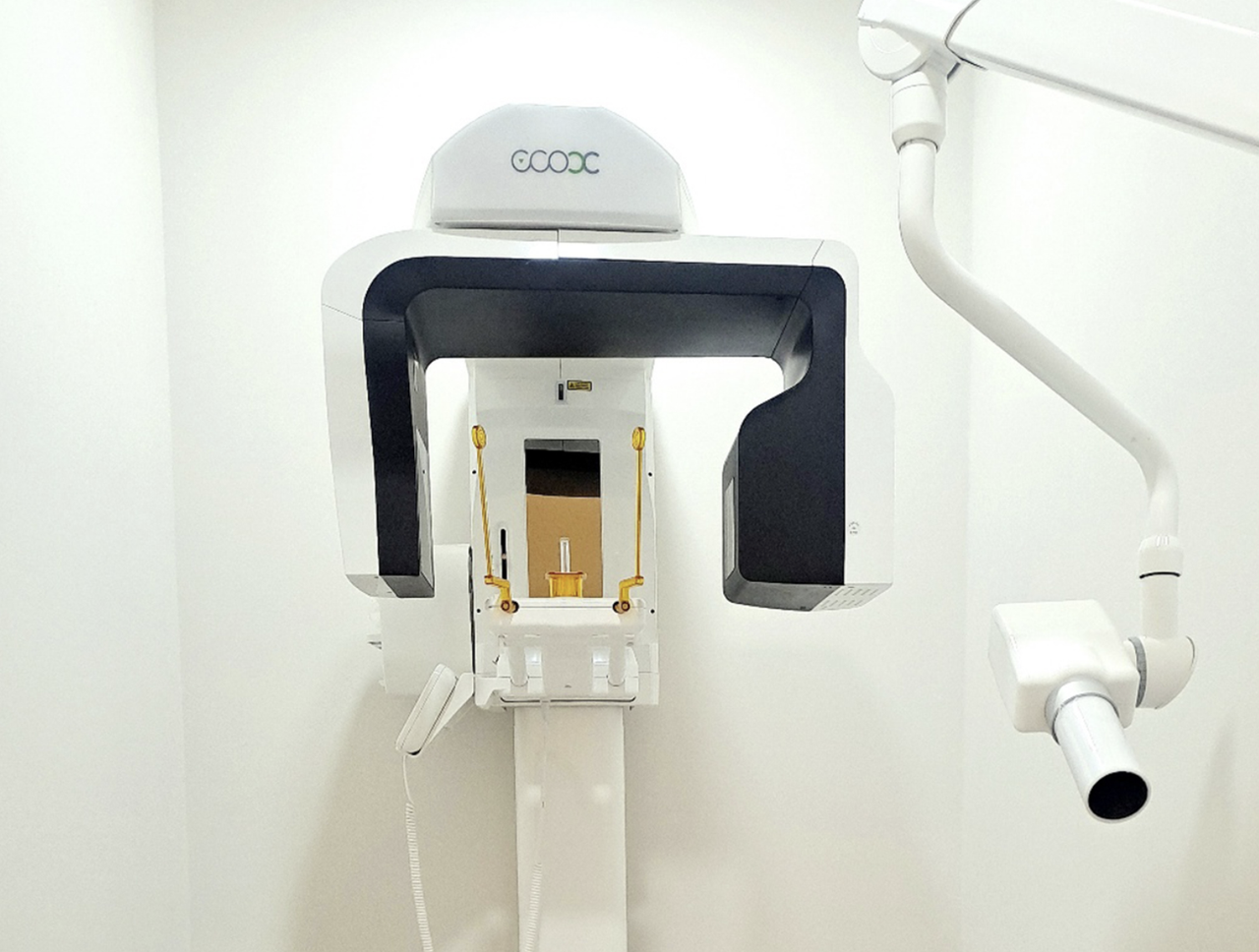
Ridge augmentation begins with comprehensive diagnostics, including 3D CT imaging to evaluate bone volume, density, and anatomical structures. Digital planning allows the clinical team to:
- Identify the exact dimensions of bone deficiency
- Plan graft volume and placement
- Coordinate implant positioning for optimal results
This diagnostic-driven approach improves accuracy and predictability.
Bone Graft Materials and Surgical Technique
Bone graft materials are selected based on individual clinical needs and long-term implant goals. The graft is carefully placed and stabilized to encourage new bone formation and integration with existing bone.
At A Plus Dental Clinic, ridge augmentation focuses on creating a durable, biologically stable foundation rather than short-term implant convenience.
Healing Period and Implant Placement Timing
After ridge augmentation, a healing period is required for bone regeneration and integration. Implant placement timing depends on:
- The size of the ridge defect
- Bone quality and healing response
- Overall oral health condition
In some cases, implants may be placed at the same time as augmentation; in others, a staged approach is recommended for optimal stability.
Candidate Evaluation for Ridge Augmentation
Ridge augmentation may be recommended for patients who:
- Have insufficient jawbone width or height for implants
- Experienced bone loss after tooth extraction or infection
- Are planning implant revision after previous failure
- Want optimal implant positioning and longevity
A detailed clinical assessment is required to confirm suitability.
Ridge Augmentation for International Patients
A Plus Dental Clinic regularly treats foreigners and medical travelers seeking implant preparation procedures in Seoul. International patient services include:
- English-based consultations and explanations
- Clear treatment timelines and healing guidance
- Transparent planning and cost discussion
- Post-surgical care instructions for return travel
Long-Term Benefits of Ridge Augmentation
When properly planned and executed, ridge augmentation restores the structural foundation necessary for successful dental implants. Patients benefit from improved implant stability, better aesthetics, and reduced risk of future implant complications.
Ridge Augmentation at A Plus Dental Clinic in Seoul
With over 25 years of implant and bone reconstruction experience, advanced diagnostics, and a conservative surgical philosophy, A Plus Dental Clinic offers reliable ridge augmentation treatment in Seoul. The clinic’s focus on precision, safety, and long-term implant success supports predictable outcomes for both local and international patients.
Frequently asked questions
Is ridge augmentation painful?
It is done under local anaesthesia, with sedation available. Swelling and discomfort for several days are normal and managed with medication.
Can implants be placed at the same time?
Sometimes. Minor defects can be grafted during implant placement; larger defects usually heal first before implants are placed.
What graft materials are used?
Options include the patient’s own bone, processed donor or animal-derived bone, and synthetic materials, often combined with a protective membrane.
How long before I can get my implant?
Healing typically takes several months, depending on the size of the graft. Your schedule is planned on the CT findings.
Related treatments & guides
Plan your treatment in Seoul
Send your X-ray or CT scan before you travel. Our English-speaking team will review it and explain the recommended treatment, number of visits and estimated cost.