
Dental Implants vs Bridges vs Dentures in Korea

January 17, 2026

🦷 Dental Implants vs Bridges vs Dentures in Korea: Which Is Right for You?

If you are missing one or more teeth, choosing the right restoration method is an important decision. In Korea, international patients can choose between dental implants, bridges, and dentures — all offered with advanced technology and affordable pricing.

Each option has different costs, treatment times, durability, and comfort levels. This guide will help you understand the differences and decide which treatment may be best for you.

🧩 Dental Implants: The Most Natural and Long-Lasting Option

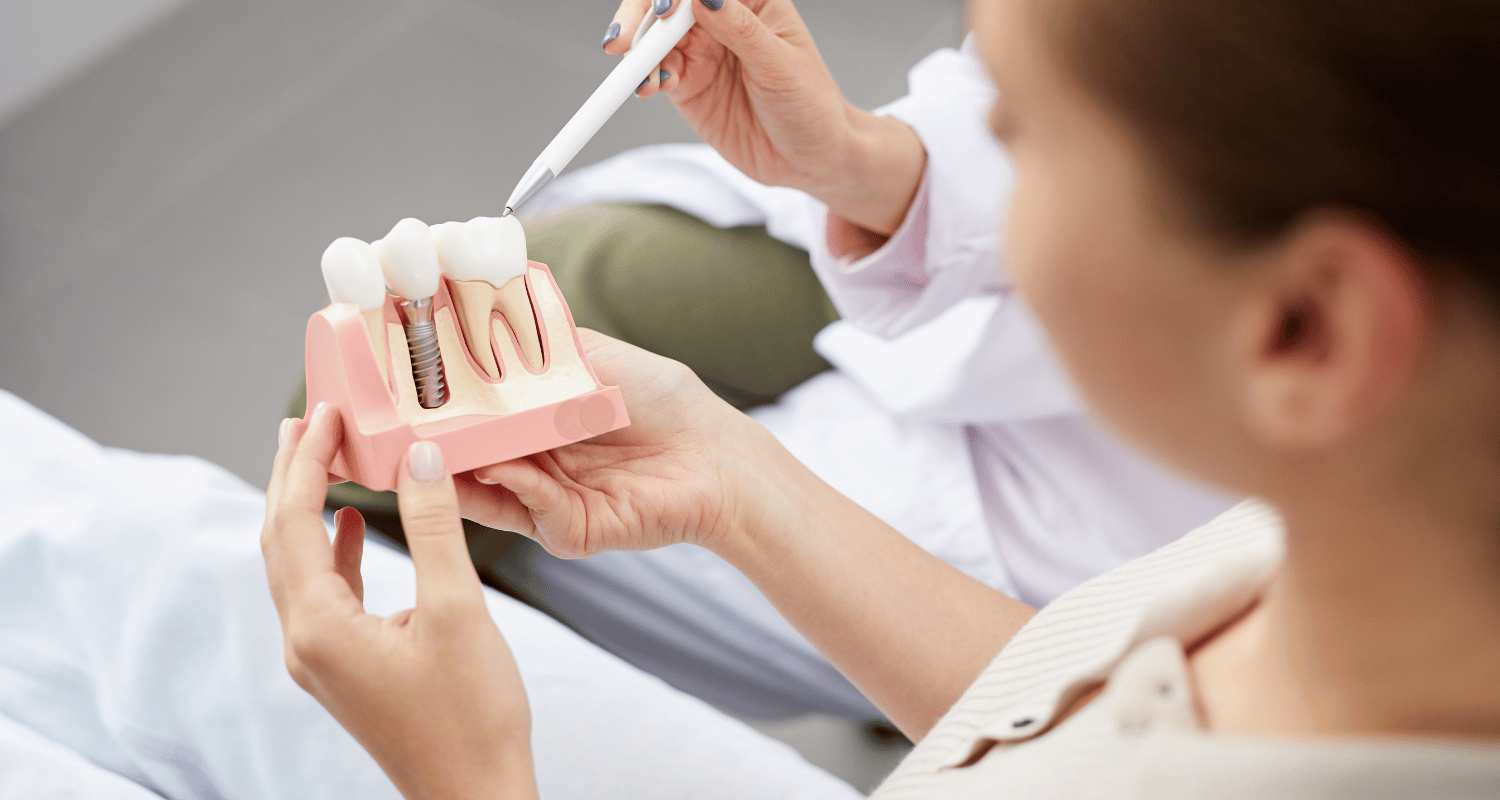
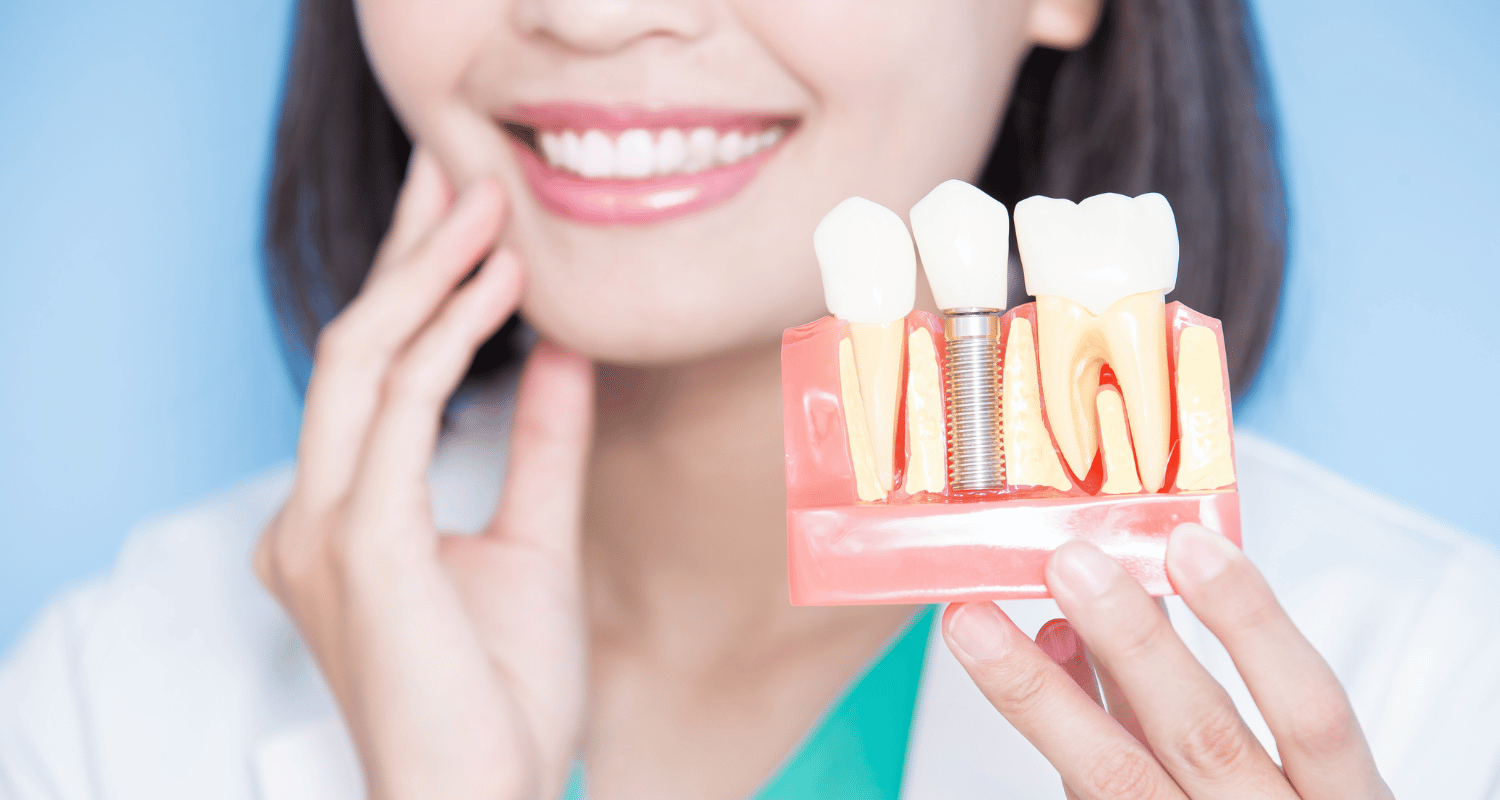
Dental implants replace the entire tooth structure, including the root. A titanium or zirconia implant is placed into the jawbone and supports a crown that looks and functions like a natural tooth.

Implants do not rely on neighboring teeth and help prevent bone loss over time. They feel stable, allow normal chewing, and provide excellent long-term results.

In Korea, implant treatment is often faster and more affordable than in many Western countries, making it a popular choice for medical tourists.

Best for:
Patients who want a permanent solution with the most natural feel and appearance.

πŸŒ‰ Dental Bridges: Faster but Requires Adjacent Teeth

A dental bridge fills the gap by anchoring an artificial tooth to the neighboring teeth on both sides. Those supporting teeth must be shaved down to hold the bridge in place.

Bridges can restore chewing function quickly and usually require fewer visits than implants. However, because they rely on adjacent teeth, they may weaken healthy teeth and do not prevent bone loss under the missing tooth area.

Bridges typically last 7 to 12 years with proper care and may need replacement over time.

Best for:
Patients who want a quicker solution and already have crowns or weakened adjacent teeth.

😁 Dentures: Most Affordable but Less Stable

Dentures are removable appliances that replace multiple or all missing teeth. They are the most budget-friendly option and do not require surgery.

However, dentures may shift while eating or speaking and often feel less natural. Over time, bone loss can occur, leading to poor fit and the need for adjustments or replacements.

Some patients choose implant-supported dentures, which improve stability while keeping costs lower than full implant restorations.

Best for:
Patients seeking the lowest-cost solution or those who cannot undergo implant surgery.

πŸ’° Cost Comparison in Korea

In general, dental implants have the highest upfront cost but the longest lifespan. Bridges are moderately priced but may need replacement. Dentures are the least expensive initially but may involve ongoing maintenance and adjustments.

Many international patients find that even implant treatment in Korea costs significantly less than in their home countries, while offering high-quality materials and experienced specialists.

Always confirm what is included in the price, such as crowns, abutments, and follow-up visits.

⏱ Treatment Time and Travel Planning

Implants often require healing time between surgery and crown placement, which may mean two visits to Korea or one longer stay if immediate-load treatment is possible.

Bridges usually require fewer visits and can often be completed in one short trip.

Dentures may also be completed quickly but may need additional fittings for comfort and accuracy.

Your travel schedule should be discussed with the clinic before booking flights.

🧠 How to Choose the Best Option for You

The best choice depends on several factors:

Bone condition and gum health
Number of missing teeth
Budget and long-term expectations
Length of stay in Korea
Personal comfort and lifestyle needs

A proper dental examination with X-rays or 3D CT scans is necessary to determine which option is safest and most effective for you.

πŸ₯ Why Many Foreigners Choose Implant Treatment in Korea

Korea is known for advanced digital dental systems, precise implant surgery techniques, and strict sterilization standards. Many clinics offer multilingual support, online consultations, and customized schedules for international patients.

This makes Korea an attractive destination for both simple and complex dental restoration treatments.

πŸ“© Get Professional Advice Before Making a Decision

Choosing between implants, bridges, and dentures should be based on professional diagnosis, not just cost or convenience. An online consultation before traveling can help you understand your options, estimated costs, and recommended treatment plan.

With proper guidance, you can choose the solution that fits your health, budget, and travel schedule while achieving a confident, natural-looking smile.
January 18, 2026
🦷 Dental Implant Cost & Quality Checklist for Korea Getting dental implants in Korea is not just about finding the lowest price. Quality, experience, and proper planning are equally important for long-term success. This checklist helps international patients compare clinics, evaluate treatment value, and make informed decisions before traveling. βœ… Understand the Total Cost Always check what the quoted price includes. Some clinics only list the implant surgery, while others include: Implant fixture Abutment Crown or prosthetic tooth Pre-surgical scans and planning Follow-up visits and adjustments Sedation or special anesthesia Ask for a full written breakdown to avoid hidden costs. 🧠 Check Implant Brand and Materials The implant system and prosthetic materials affect durability and aesthetics: Recognized international implant brands Surface-treated titanium or high-strength zirconia Warranty or replacement policy Ensure the clinic uses reliable, high-quality materials . πŸ’° Consider Additional Procedure Costs Preparatory treatments may add to your budget: Bone grafting or sinus lift Tooth extraction Temporary crowns Guided surgery or digital planning fees Make sure these are clearly listed and priced separately . ⏱ Review Treatment Timeline Know how many visits are required and how long healing takes: Number of surgical appointments Waiting period before final crowns Return visits for adjustments Confirm that the schedule fits your travel plan . 🌍 Evaluate Diagnostic and Technology Standards Advanced diagnostics and digital workflows improve safety and outcomes: 3D CT scans and digital imaging CAD/CAM guided planning In-house laboratories for faster prosthetics Check if the clinic uses up-to-date technology . πŸ₯ Check Dentist Credentials & Experience The dentist’s skill is critical for implant success: Certified implant specialist or prosthodontist Years of experience with implants Experience treating international patients Choose a clinic with proven expertise . 🩺 Confirm Infection Control and Clinical Protocols Safety standards are essential: Sterilization procedures Surgical support systems Emergency protocols Ensure the clinic follows strict hygiene and safety guidelines . βœ‰οΈ Assess Communication and Language Support Clear communication helps prevent misunderstandings: English or multilingual coordinators Written treatment plans and consent forms Pre-arrival online consultations Make sure you can communicate clearly throughout the process . πŸ’‘ Plan for Aftercare and Follow-Up Long-term success depends on post-treatment care: Scheduled follow-up visits Oral hygiene instructions Remote support after returning home Confirm that aftercare is included . πŸ“© Evaluate Cost vs Value Cheaper isn’t always better if quality is compromised: Compare full services, not just base price Understand revision or refund policies Check patient reviews and clinical outcomes Make sure you are evaluating total value, not just price .
January 18, 2026
🦷 When Dental Implants Fail: What Happens Next in Korea Although dental implants have a high success rate, failures can occasionally occur. In Korea, implant failure is approached systematically, with an emphasis on accurate diagnosis, preserving bone and tissue, and planning long-term solutions rather than quick fixes. Understanding what happens next can help patients stay calm and make informed decisions. This guide explains how implant failure is handled in Korea and what patients can expect after a problem is identified. βœ… What Is Considered Implant Failure Implant failure generally falls into two categories: Early failure: The implant does not properly integrate with the bone during the healing phase Late failure: The implant loosens or develops complications after months or years of function Failure does not always mean pain or visible movement at first, which is why regular checkups are important. 🧠 Common Causes of Implant Failure Korean dentists typically evaluate several contributing factors, including: Poor bone integration (failed osseointegration) Infection such as peri-implantitis Excessive bite force or untreated grinding Smoking or uncontrolled systemic conditions Improper implant positioning or overload Identifying the exact cause is critical before deciding on next steps. πŸ’° Initial Evaluation and Diagnosis When failure is suspected, clinics perform: Clinical examination of stability and soft tissue X-rays or 3D CT scans to assess bone loss or infection Bite analysis to check for overload This diagnostic phase determines whether the implant can be saved or must be removed. ⏱ Can a Failed Implant Be Saved? In some cases, early intervention can stabilize the implant. Korean dentists may attempt: Deep cleaning and decontamination Medication or localized infection control Bite adjustment or prosthetic modification If bone loss or mobility is advanced, removal is usually recommended to protect surrounding tissue. 🌍 Implant Removal and Healing If removal is necessary, it is typically performed under local anesthesia with minimal discomfort. After removal: The site is thoroughly cleaned Infected or damaged tissue is treated Healing time is allowed before further treatment Bone grafting may be performed immediately or after initial healing, depending on the condition. πŸ₯ Re-Implantation Options After healing, many patients are eligible for re-implantation. Options may include: Delayed re-implantation after bone regeneration Using a different implant size or design Changing implant position based on updated digital planning Alternative restorations if implants are not suitable Korean clinics focus on improving conditions before attempting a second implant. 🩺 Preventing Repeat Failure Before re-treatment, dentists address risk factors such as: Improving oral hygiene routines Managing medical conditions Smoking cessation guidance Night guard use for grinding More frequent maintenance visits This step is essential for long-term success. ✈️ What This Means for International Patients For foreign patients, Korean clinics often provide: Clear explanations of failure causes Written re-treatment plans Coordination for follow-up visits or remote monitoring Even if the initial implant fails, structured care helps patients move forward confidently. πŸ“© Key Takeaway for Patients Implant failure is not the end of treatment. In Korea, it is treated as a step in a larger process — focusing on healing, correction, and long-term stability rather than urgency alone. With proper diagnosis and planning, many patients successfully receive stable implants even after an initial failure.