What to Know Before Getting Dental Implants in Korea
🦷 What to Know Before Getting Dental Implants in Korea
Korea is one of the most popular destinations for dental implant treatment among international patients. With advanced dental technology, experienced implant specialists, and affordable pricing, many foreigners choose Korea to restore their smiles safely and efficiently. However, there are several important things you should know before starting treatment.
This guide covers the key points to help you prepare for dental implants in Korea and avoid common mistakes.
✅ Check If You Are a Suitable Candidate
Not everyone is immediately eligible for dental implants. You need healthy gums and sufficient jawbone to support the implant. If you have bone loss, you may require additional procedures such as bone grafting or sinus lift surgery, which can affect treatment time and cost.
Patients with medical conditions such as diabetes or osteoporosis, or those who smoke, may still receive implants, but healing can take longer and treatment plans must be adjusted.
A proper consultation with X-rays or 3D CT scans is essential before confirming your treatment.
🧠 Understand the Type of Implant You Need
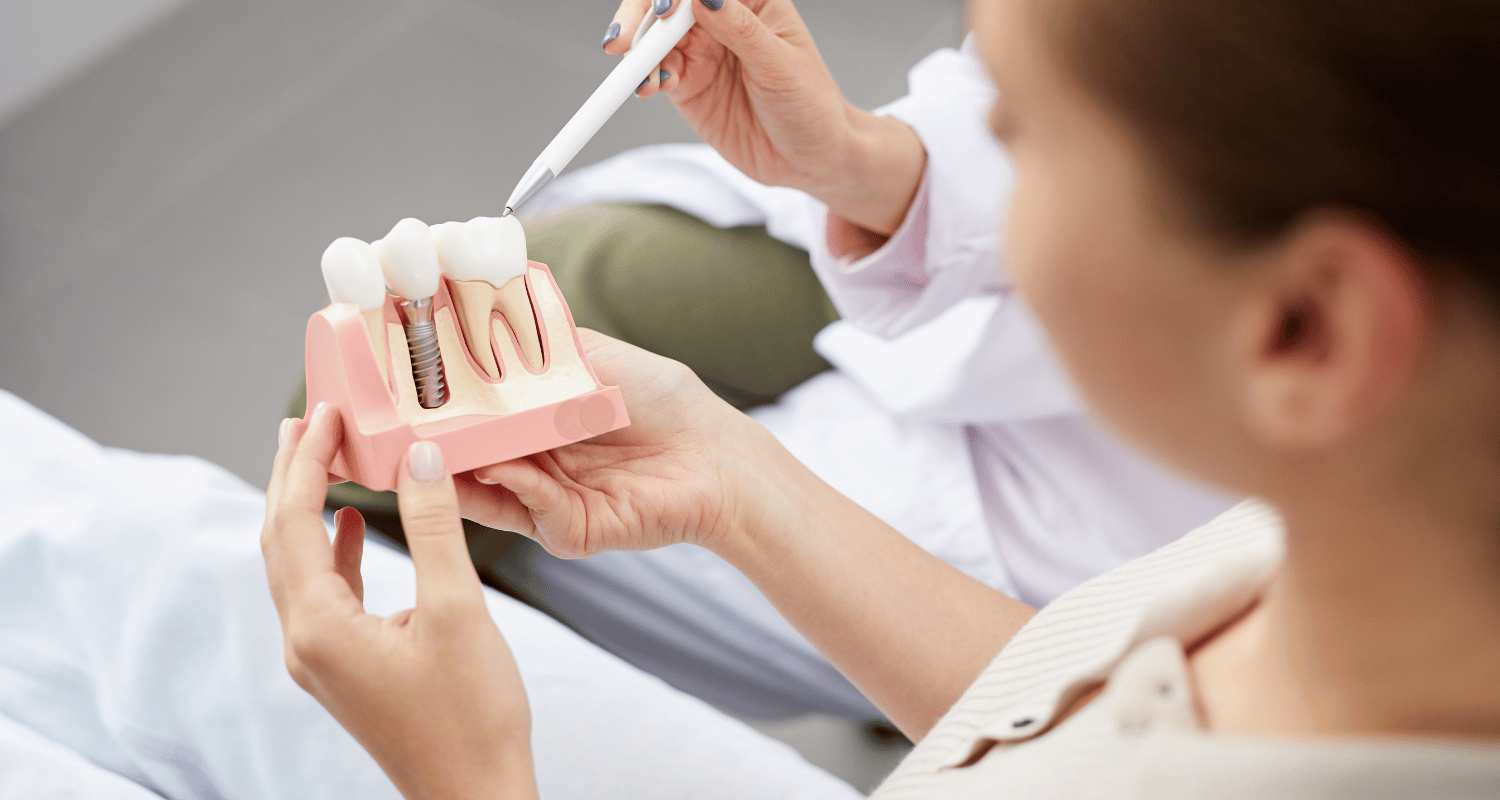
Dental implant treatment is not the same for everyone. Depending on your condition, you may need:
Single-tooth implants for individual missing teeth
Multiple implants to support bridges
Full-arch implants such as All-on-4 or All-on-6
Each option has different costs, treatment timelines, and recovery periods. Understanding which option fits your situation helps you plan both your budget and your stay in Korea.
💰 Know What Is Included in the Quoted Price
Before booking your treatment, make sure you understand what the total cost includes. Some clinics only quote the implant surgery fee, while others include:
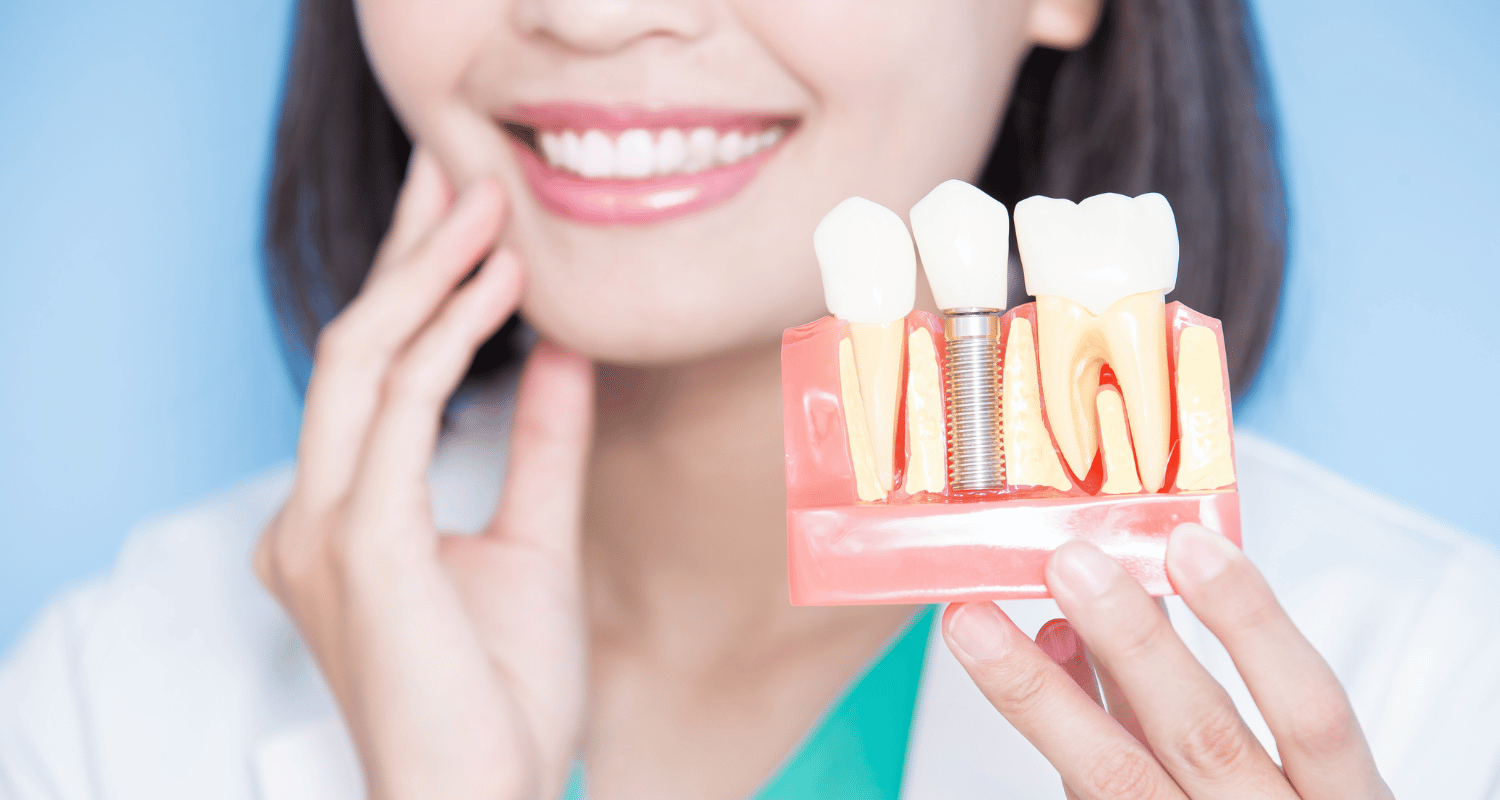
Implant fixture
Abutment
Crown or prosthetic teeth
Follow-up visits and adjustments
Also ask if additional procedures like bone grafting, sedation, or temporary crowns are extra charges. Always request a full written quotation to avoid unexpected expenses.
⏱ Plan Your Travel Schedule Carefully
Dental implant treatment often requires more than one visit. For standard two-stage implants, the first visit is for surgery, and the second visit is for crown placement after healing, usually two to four months later.
If you choose immediate-load implants or full-mouth reconstruction, you may complete treatment in one longer stay, usually seven to fourteen days.
Make sure your clinic provides a clear schedule before booking flights and accommodation.
🌍 Confirm Language Support and Communication
Choose a clinic that offers professional English support or multilingual coordinators. Good communication is critical for understanding your treatment plan, consent forms, aftercare instructions, and follow-up procedures.
Many clinics also provide online consultations before arrival and post-treatment communication through messaging apps, which is very helpful for international patients.
🏥 Choose the Clinic Based on Expertise, Not Just Price
While cost is important, the success of dental implants depends largely on the dentist’s experience and proper treatment planning. Look for clinics with:
Certified implant specialists
Digital diagnostic equipment
In-house dental laboratories
Strong experience treating foreign patients
Extremely cheap prices may indicate limited services, lower-quality materials, or lack of long-term aftercare support.
🩺 Prepare for Recovery and Aftercare
After implant surgery, mild swelling and discomfort are normal for a few days. Most patients can return to normal activities quickly, but you should avoid heavy exercise and smoking during the healing period.
Long-term success depends on good oral hygiene and regular dental checkups. Proper maintenance can allow implants to last for decades.
✈️ Is It Safe to Get Dental Implants While Traveling?
Yes. Korea has one of the most advanced medical systems in Asia, with strict sterilization standards and modern dental facilities. Many clinics are well-experienced in treating short-term visitors and medical tourists.
With proper planning, dental treatment can be safely combined with sightseeing and recovery time in Korea.
📩 Get a Consultation Before You Travel
Before booking your trip, it is highly recommended to have an online consultation. By sending your dental X-rays or photos, you can receive a preliminary treatment plan, estimated cost, and recommended schedule.
This allows you to travel with confidence and avoid surprises after arrival.